Published: April 8, 2026 | Category: Insurance Industry News | Reading time: 7 min
Oklahoma is not a state that typically makes national headlines for insurance litigation. But in the first three months of 2026, it has become the most closely watched battleground in the country for a question that matters to every property owner who has ever filed a claim: when an insurance company denies your storm damage, is it making a legitimate coverage decision — or is it following a corporate policy designed to deny as many claims as possible?
The answer, according to nearly 900 lawsuits filed against State Farm in Oklahoma, is the latter.
How It Started: A Policy That Changed Around 2020
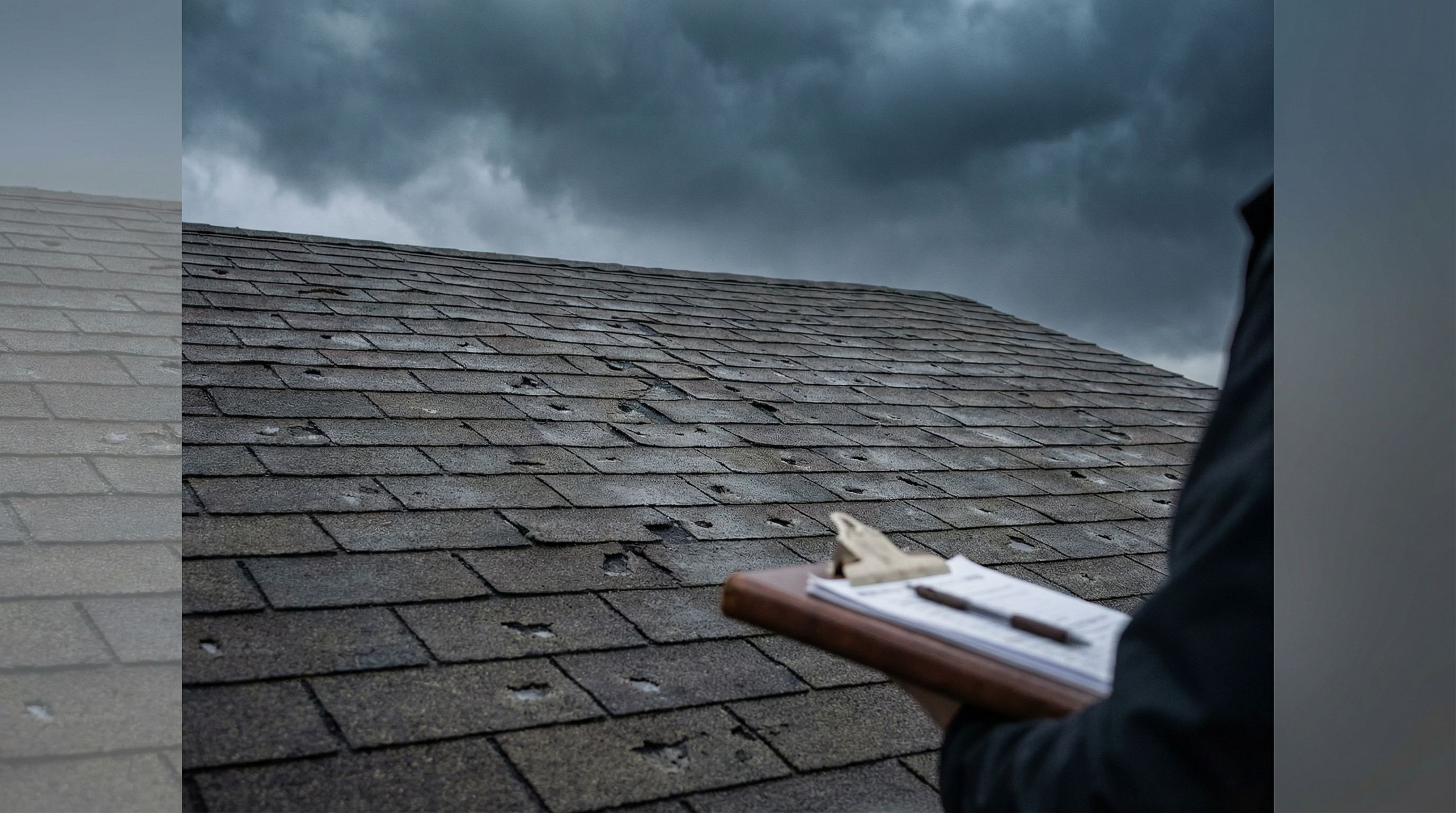
The lawsuits share a common allegation. Attorneys representing Oklahoma homeowners claim that State Farm implemented a policy change around 2020 that led to the systematic denial of wind and hail damage claims across the state. Where claims had previously been evaluated on their individual merits, the new approach — according to the plaintiffs — resulted in denials being attributed to "installation problems" or other non-storm causes, regardless of what the actual evidence showed.
The number of cases grew quickly. Attorneys initially identified approximately 200 affected claims late in 2025. By March 2026, that number had grown to more than 900 filed lawsuits, with more expected. An Oklahoma County judge denied State Farm's motions to dismiss multiple cases in February 2026, citing questions about agent liability that needed to be resolved through the litigation process.
The scale of the alleged scheme, and the consistency of the pattern across hundreds of unrelated claims, is what drew the attention of Oklahoma's highest law enforcement official.
The Attorney General's RICO Filing
Oklahoma Attorney General Gentner Drummond did not wait for the civil litigation to run its course. His office moved to intervene in one of the cases, citing allegations that State Farm may have engaged in a coordinated scheme to deny legitimate claims. The filing included claims under the federal Racketeer Influenced and Corrupt Organizations Act — RICO — a statute originally designed to prosecute organized crime that has increasingly been applied to cases involving alleged corporate fraud.
The RICO allegation is significant not because it guarantees a particular outcome, but because of what it signals about the Attorney General's assessment of the evidence. RICO requires proof of a pattern of racketeering activity — not a single bad decision, but a deliberate, organized scheme. Drummond's office concluded there was enough evidence to make that argument.
State Farm appealed the Attorney General's intervention to the Oklahoma Supreme Court. Oral arguments were scheduled for March 25, 2026. The ruling will determine whether the AG can participate in the litigation and, crucially, whether his office can use its subpoena authority to obtain internal State Farm documents that were previously reviewed in earlier litigation and then returned to the company when those cases settled.
Those documents are at the center of the dispute. Attorneys representing homeowners believe the records contain evidence of the alleged claim denial scheme. State Farm's position is that settled cases are settled, and the documents should remain private.
State Farm's History in Oklahoma and Beyond
This is not the first time State Farm has faced serious legal consequences for its conduct outside of claims handling. In 2018, the company paid $250 million to settle allegations that it had improperly influenced an Illinois Supreme Court election — funneling money to a judicial candidate in a case where State Farm had a significant financial interest. The settlement was one of the largest of its kind in American legal history.
In Oklahoma specifically, State Farm is the state's largest writer of homeowners insurance. That market position makes the allegations particularly significant: if the claims denial policy was as systematic as the lawsuits allege, the number of Oklahoma homeowners who received less than they were owed could be substantial.
Meanwhile, in March 2026, State Farm announced it would return $5 billion to its auto insurance customers — the largest dividend in the company's history. The announcement came as the company was simultaneously fighting to keep its homeowners insurance rate increase of 17% in Oklahoma. The juxtaposition was not lost on consumer advocates: a company returning billions to one line of business while raising rates and fighting hundreds of lawsuits in another.
What This Means for Property Owners in Virginia, Maryland, and the Mid-Atlantic
Oklahoma is a long way from Richmond, but the practices described in those 900 lawsuits are not geographically unique. The same insurers operate in Virginia, Maryland, Washington D.C., and Pennsylvania. The same desk-review processes that allegedly produced systematic denials in Oklahoma are used in every state where these companies write policies.
In May 2025, sworn testimony before the U.S. Senate described adjusters at State Farm and Allstate being ordered to delete or alter damage estimates to reduce payouts. Senator Josh Hawley called it "a system of institutionalized fraud." Read our full coverage of the Senate hearing here →
Virginia responded with House Bill 808, which has passed the General Assembly and awaits the Governor's signature, and which would require insurers to provide written documentation for any reduction of $3,000 or more to a loss estimate. Read our full analysis of HB808 here → It is a meaningful protection for claims going forward.
The most important thing you can do if you have experienced property damage is contact a public adjuster before the insurance company's adjuster visits your property. Once they have been on site, the baseline is set. The Oklahoma lawsuits are a reminder that the number you receive may not reflect what the field adjuster actually found — and that by the time you realize it, the evidence has already been shaped by the carrier.
Why a Public Adjuster Changes the Equation
A public adjuster works exclusively for you. We document your loss independently, identify every line item you are owed under your policy, and negotiate directly with the insurance company on your behalf. We do not work for the carrier. We do not get paid until you do.
When we are involved before the insurance company's adjuster visits, we create a competing record from day one. That record reflects the full scope of your loss — not what the carrier chose to document. The Oklahoma litigation is a reminder of what happens when policyholders face that process alone.
Call 866-377-COIN (2646) or request your free consultation online. There is no upfront cost.
Sources: [News9 Oklahoma, "Oklahoma homeowners insurance rates, State Farm lawsuits" (March 14, 2026)](https://www.news9.com/story/67d4b8f9a3b2c5001e8f9a1b/hot-seat-okc-oklahoma-homeowners-insurance-rates-state-farm-lawsuits); [NBC News (March 11, 2026)](https://www.nbcnews.com/business/insurance/state-farm-oklahoma-hail-claims-lawsuits-2026); [Oklahoma Watch, "Tulsa Roof Claim Provides Insight Into Alleged State Farm Scheme" (February 18, 2026)](https://oklahomawatch.org/2026/02/18/tulsa-roof-claim-provides-insight-into-alleged-state-farm-scheme/); [The Oklahoman (February 27, 2026)](https://www.oklahoman.com/story/business/2026/02/27/state-farm-oklahoma-lawsuits). State Farm's $250 million Illinois settlement is a matter of public record. This article is for informational purposes only and does not constitute legal advice.
This article is for informational purposes only and does not constitute legal advice.